Cotton t-shirts — any color
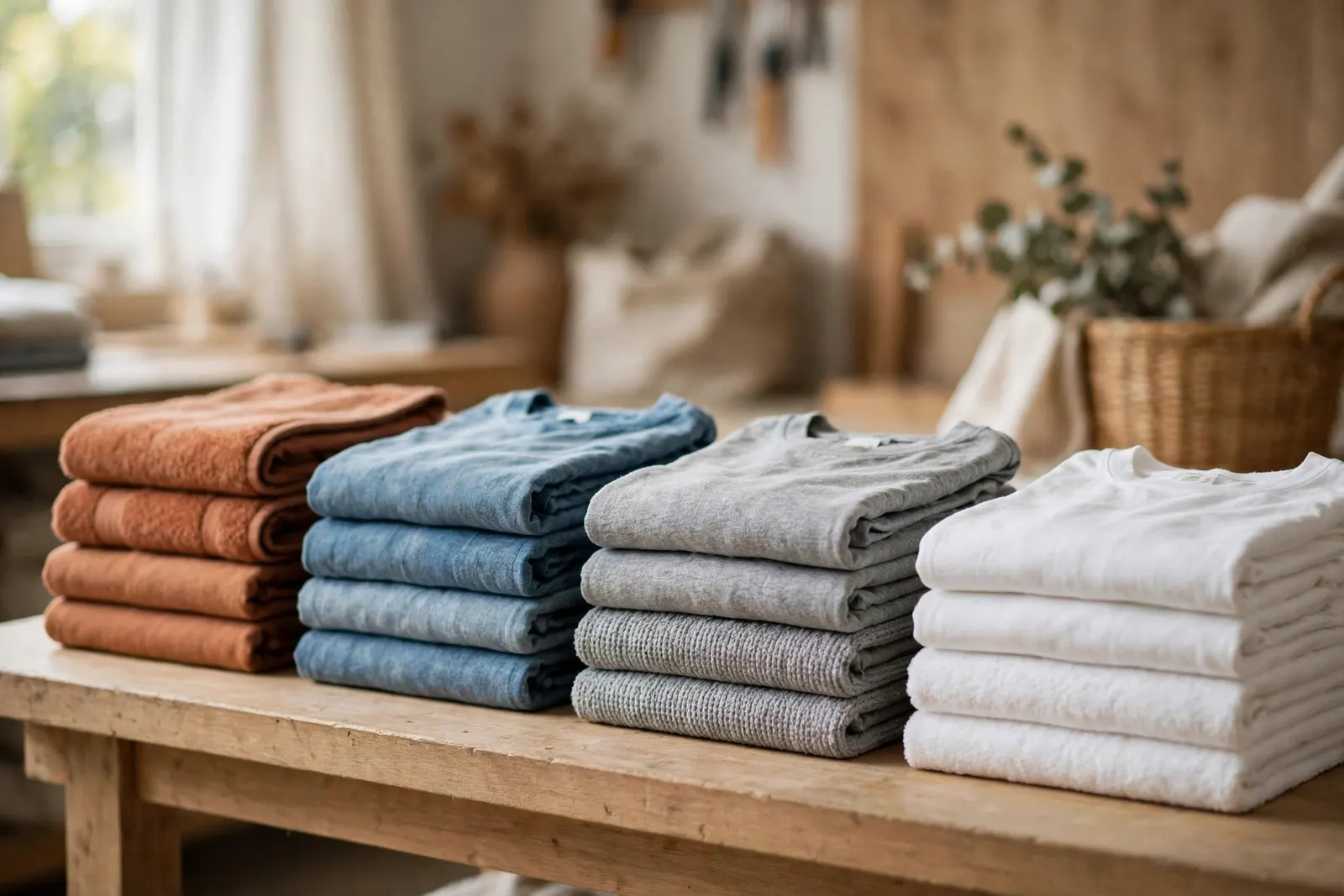
The classic shop rag. Torn, stained, stretched out, logo from a fun-run ten years ago — none of that matters once it's cut. White shirts are the most useful of all (no color to transfer), but every color gets used.
I'm a young local entrepreneur building a small shop-rag business out of recycled cotton. The shirts and towels too worn for anyone to wear again are exactly what I start with — I wash them, cut them, sort them, and turn them into rags that go to work in local shops.
Right now I need the cotton, not customers. If you've got a bag of it headed for the trash, I'd rather turn it into rags.
Right now I need the cotton, not customers.
Cotton is the whole game: it soaks up oil and water, holds together when it's wet, and worn cotton is already broken in — which makes it more absorbent, not less. If it's cotton and it's clean and dry, it probably belongs here.
The classic shop rag. Torn, stained, stretched out, logo from a fun-run ten years ago — none of that matters once it's cut. White shirts are the most useful of all (no color to transfer), but every color gets used.
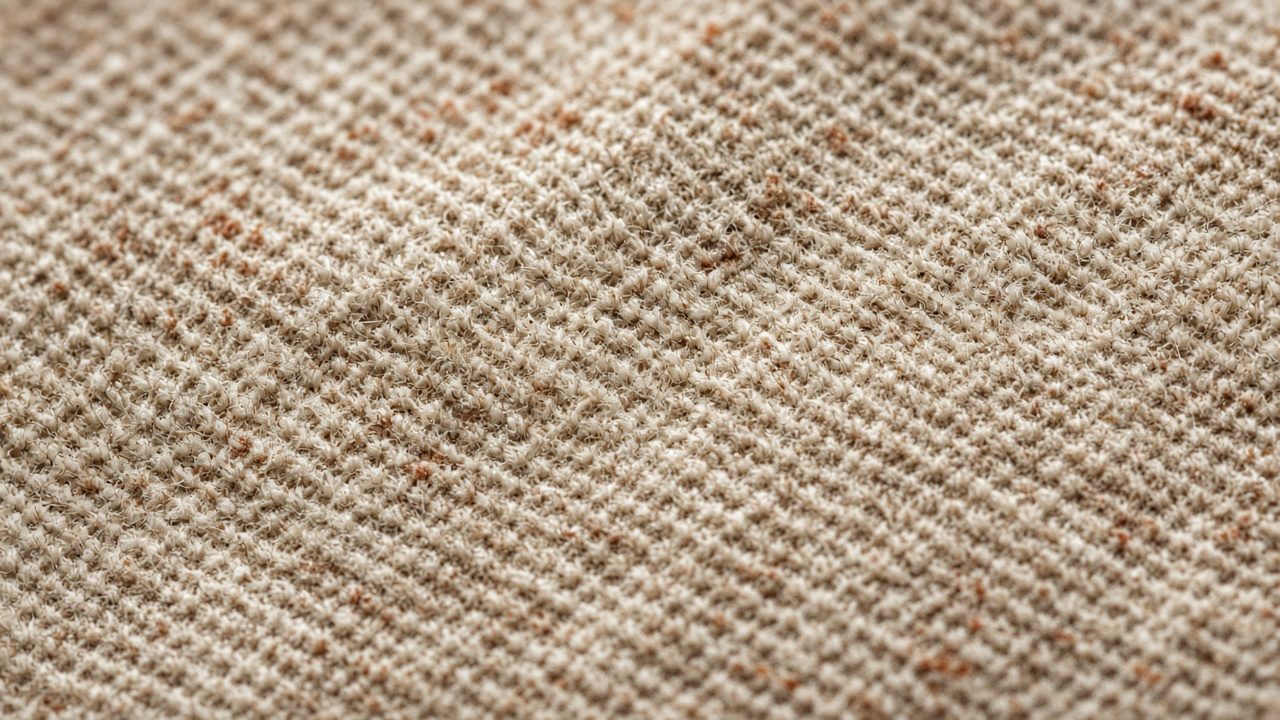
Terry cotton is the heavy lifter — thick loops soak up oil and big spills better than anything else. Frayed edges, thin spots, and bleach marks are all fine. Retired gym, shop, and kitchen towels count too.
Flat cotton cuts into big, even rags — the kind shops reach for on larger jobs. Worn thin is fine. Fitted sheets work too; the elastic corner just gets trimmed off in cutting.
Flannel is soft, tough, and very absorbent — great wiping cloth. Cotton sweatshirts and hoodies cut into heavier rags for greasy work. Zippers and buttons aren't a problem; they come off before cutting.
Small pieces still earn their keep — washcloths, bar towels, and worn cotton cleaning cloths get sorted into the mix. A grocery bag of small stuff is a real contribution, not a bother.
A short list, and every item on it has a real reason. Keeping these out is what keeps a whole batch usable.
This is the one hard rule in the rag trade: damp cotton spoils everything it's packed with. If it's been sitting wet in a bag or smells of mildew, it has to be trash — for me and for the thrift store too. Clean and dry is the standard.
Cotton that already did its last job in a shop — soaked in motor oil, solvents, or hardened paint — can't be washed back into service safely. Same for anything contaminated in a way a normal wash can't fix.
Polyester, nylon, microfiber, and stretch blends don't soak up oil and water the way cotton does — that's why shops ask for cotton. A shirt with a little spandex in it is fine; a bag of athletic synthetics isn't rag material.
Rugs, pillows and stuffing, mattresses, shoes, and clothing you could still actually wear. If it's wearable, donate it to a thrift store where it does the most good — this page exists for the cotton that's past wearing.
Four steps, all by hand, in small batches.
You gather clean, dry cotton — a grocery bag or a trash bag, either works — and email me.
We arrange a simple handoff by email. No forms, no accounts, no drop-off line.
Everything is washed, buttons and zippers come off, and the cotton is cut into rag-sized pieces.
Rags are sorted — white separate from color, terry separate from knit — and bundled by weight for local shops.
Because worn cotton isn't worn out. Most donated clothing never gets resold — thrift stores sell only a small share of what comes in, and the rest is bundled and shipped off by the pound. Cotton kept local skips all of that: it becomes a tool a shop uses every day, a few miles from the closet it came out of.
Just normally clean and completely dry — no special prep, no folding, no sorting. Everything gets washed again here before it's cut.
Any amount. One bag at a time is exactly how a small operation like this one is built.
Not at this stage — this runs on donations, and that's what keeps the rags affordable for the small shops that will use them. What you get is a closet cleaned out and cotton that goes back to work instead of into the ground.
A young local entrepreneur, through KJH Enterprises — a small headquarters for small ventures, built one page and one project at a time. The only contact is the business email below.
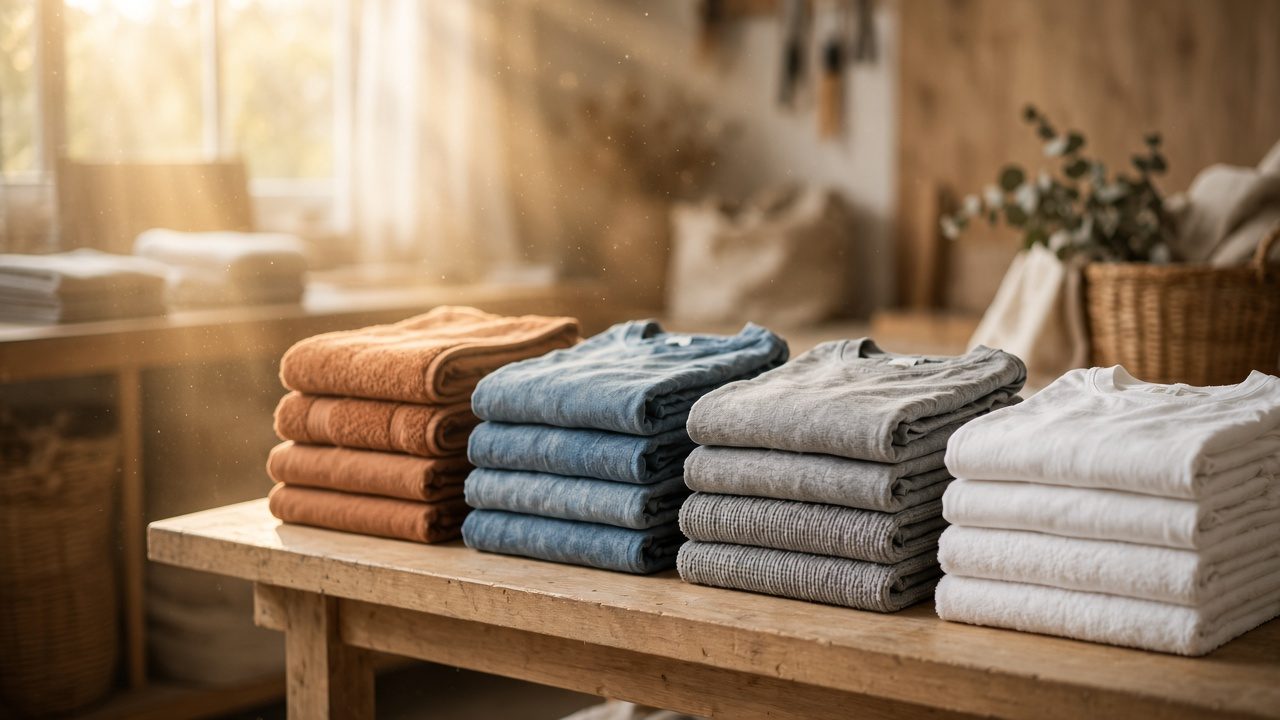
Shirts, towels, sheets — clean, dry, and past wearing. That's the whole checklist. Send an email and we'll arrange the handoff.
karsen@kjhehq.com